Medical Detox in New Hampshire
If you are searching for medical detox in New Hampshire, you are likely looking for a program that is safe, medically supervised, and equipped to handle withdrawal with care and structure. Liberty Health Services provides Tier 1 drug and alcohol detox designed to help individuals stabilize physically and emotionally in a supportive 24-bed environment.
Our team focuses on medically monitored withdrawal management, comfort, and clear next steps. Detox can be one of the most vulnerable stages of recovery — and having the right level of care makes a difference.
Find out if your insurance will cover the cost of treatment.
"*" indicates required fields
What Is Medical Detox?
Medical detox is a clinically supervised process that helps individuals safely withdraw from drugs or alcohol while withdrawal symptoms are monitored and supported.
Unlike attempting detox at home, medical detox provides:
-
Structured symptom monitoring
-
Vital sign checks
-
Clinical assessment throughout withdrawal
-
Responsive medical oversight
-
Supportive care in a controlled environment
Detox focuses on stabilization — helping the body safely adjust as substances leave the system and preparing individuals for continued rehab or outpatient treatment.
When Is Medical Detox Necessary?
Medical detox is often recommended when:
- Alcohol use has been frequent or long-term
- Opioids have been used daily or in high amounts
- Benzodiazepines have been taken regularly
- Previous withdrawal attempts were unsuccessful
- There is risk of severe withdrawal symptoms
Withdrawal from alcohol or benzodiazepines, in particular, can become medically dangerous without supervision. A structured detox program reduces those risks by monitoring symptoms and responding appropriately.
Explore our Medical Detox Programs in New Hampshire
Alcohol Detox
Alcohol withdrawal can become medically serious without supervision, especially for individuals who have been drinking heavily or long-term. Symptoms may include tremors, anxiety, sweating, nausea, agitation, and in severe cases, seizures.
At Liberty Health Services, alcohol detox is medically monitored using structured symptom assessment and consistent vital sign checks. Our team focuses on stabilization, comfort, and preparing individuals for continued rehab or outpatient care once withdrawal symptoms begin to subside.
Learn more about Alcohol Detox in New Hampshire
Drug Detox
Drug detox refers to the medically supervised process of withdrawing from non-alcohol substances, including opioids, benzodiazepines, stimulants, and prescription medications. The purpose of drug detox is to help the body stabilize safely while withdrawal symptoms are monitored and supported in a structured environment.
At Liberty Health Services, drug detox in New Hampshire is provided in a Tier 1, 24-bed setting designed to support safety, comfort, and medical oversight during the earliest stages of recovery. Withdrawal symptoms vary depending on the substance used, duration of use, and overall health factors. Because of this, detox plans are individualized and monitored consistently by medical and clinical staff.
Learn more about Drug Detox in New Hampshire
Benzodiazepine Detox (Xanax, Valium)
Withdrawal from benzodiazepines can be medically complex and should not be attempted without supervision. Symptoms may include anxiety, agitation, insomnia, tremors, and in some cases, seizures.
Benzodiazepine detox requires careful monitoring and a structured approach. Liberty Health Services provides medically supervised detox designed to prioritize safety and gradual stabilization before moving into continued treatment.
Learn more about Benzodiazepine Detox in New Hampshire
Prescription Drug Detox
Prescription drug detox may involve withdrawal from opioids, benzodiazepines, or other medications. Because each substance carries different risks, medical supervision helps ensure withdrawal symptoms are appropriately monitored and managed.
Liberty Health Services provides structured detox support for a range of prescription medications, with careful evaluation and planning for next steps in treatment.
Learn more about Prescription Drug Detox in New Hampshire
Methamphetamine Detox
Methamphetamine withdrawal can involve fatigue, mood changes, sleep disturbances, anxiety, and depressive symptoms. While symptoms vary, structured monitoring and clinical support can improve stabilization during early recovery.
Detox at Liberty helps individuals safely transition from methamphetamine use into a more stable state before engaging in residential or outpatient treatment.
Learn more about Methamphetamine Detox in New Hampshire
Cocaine Detox
Cocaine Detox
Cocaine withdrawal is often more psychological than physical but can involve significant fatigue, depression, irritability, and strong cravings. Emotional support and structured care during this phase are important for stabilization.
Cocaine detox at Liberty focuses on safety, monitoring, and preparation for ongoing rehab services to address the behavioral and psychological aspects of recovery.
Learn more about Cocaine Detox in New Hampshire
How Liberty Health Services Keeps You Safe During Medical Detox
Medical Oversight at Liberty Health Services
Medical detox at Liberty operates under physician oversight. Detox protocols are guided to ensure safety, consistency, and appropriate clinical decision-making throughout withdrawal.
Medical supervision allows the team to respond to symptom changes, monitor stability, and determine when individuals are ready to transition to the next level of care.
Detox at Liberty is structured — not improvised.
What Happens During the First 24–72 Hours of Detox
The first few days of detox are typically the most physically intense.
During this time at our Medical Detox in New Hampshire
- An intake assessment is completed
- Medical and clinical teams review history and symptoms
- Vital signs are monitored regularly
- Withdrawal symptoms are assessed consistently
- A treatment plan begins forming
- Family education and communication support may begin
- As stabilization begins, conversations shift toward next steps in rehab and continued care.
How We Monitor Withdrawal and Support Comfort
Withdrawal symptoms are monitored closely during detox so that changes are identified early and addressed appropriately. Our team tracks symptoms consistently and adjusts care based on how each individual is responding.
Rather than relying on guesswork, structured clinical assessment tools are used when appropriate to evaluate withdrawal severity and guide supportive care decisions. This helps ensure symptoms are monitored carefully and managed in a timely way.
Our focus during detox is stabilization — helping individuals feel physically safer, more comfortable, and supported as their body adjusts.
How to Choose The Best Detox in New Hampshire
Is Detox Medically Supervised
Is Symptom Monitoring Structured and Consistent?
What Happens After Detox?
Is the Facility Appropriately Staffed?
Is the Detox Center Licensed by the State of New Hampshire?
Is the Facility Accredited by The Joint Commission (JCAHO)
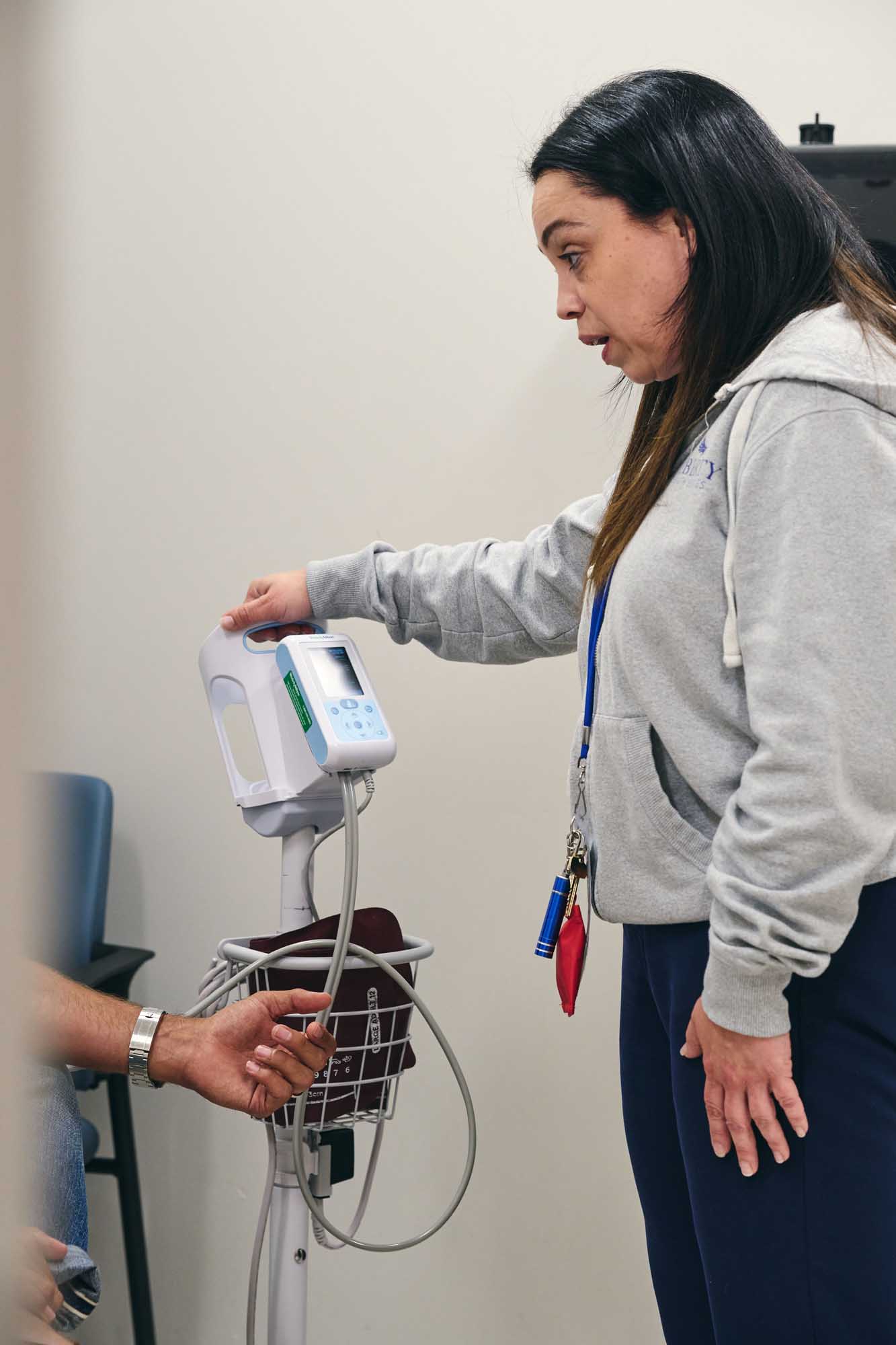
Not all detox programs provide the same level of medical oversight. Medical detox should include consistent monitoring, clinical assessment, and the ability to respond to changes in withdrawal symptoms.
At Liberty Health Services, detox is structured and medically monitored within a Tier 1 setting designed to support stabilization and safety throughout withdrawal.
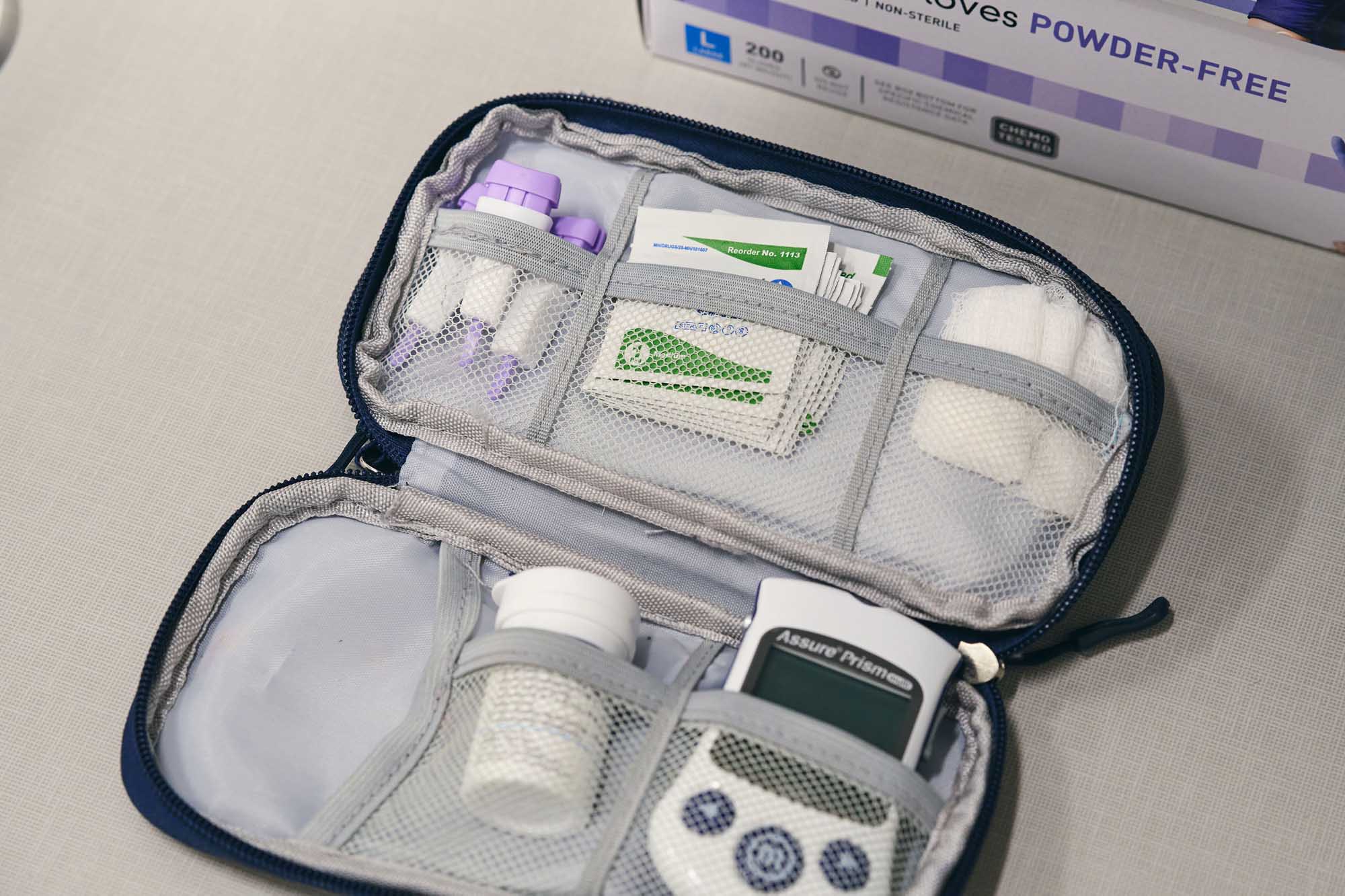
Withdrawal should not be managed casually or inconsistently. Structured symptom monitoring allows care teams to assess severity, track changes, and respond appropriately.
Liberty utilizes consistent monitoring practices during detox to help ensure withdrawal symptoms are observed carefully and addressed in a timely manner.

Detox alone does not address the underlying causes of substance use. A quality program should begin planning for continued treatment early.
At Liberty, step-down planning begins during detox. Clients are supported in transitioning into residential rehab, outpatient care, or other appropriate levels of treatment.

Safe detox requires coordination between medical and clinical professionals. Staffing levels and communication between teams directly impact safety and support.
Liberty Health Services operates as a small 24-bed facility, allowing for a more manageable environment and individualized attention during detox.

A detox facility should be properly licensed and regulated according to state requirements. Licensing ensures that the program meets operational, staffing, and safety standards established by the state.
Liberty Health Services operates as a licensed treatment facility in New Hampshire and adheres to required regulatory standards.

Accreditation by The Joint Commission (often referred to as JCAHO) is a nationally recognized standard of quality and safety in healthcare. Accreditation requires facilities to meet rigorous performance and compliance benchmarks.
Choosing an accredited detox program helps ensure accountability, safety standards, and structured oversight. Liberty Health Service’s medial detox in New Hampshire is accredited by the Joint Commission.
Licensed and Accredited Medical Detox in New Hampshire
Choosing a detox program means choosing a facility that meets established medical and regulatory standards.
Liberty Health Services operates as a licensed treatment facility in New Hampshire and follows state regulatory requirements designed to protect client safety and clinical integrity.
In addition to state oversight, many individuals and families look for national accreditation. Accreditation through organizations such as The Joint Commission sets rigorous performance and safety standards for healthcare organizations across the country.
Learn more about accreditation standards:
New Hampshire Department of Health and Human Services
Licensing and accreditation help ensure accountability, structured policies, and adherence to recognized healthcare standards.
Frequently Asked Questions (FAQs)
How long does medical detox last?
Detox duration varies based on substance type, length of use, and individual health factors. Many detox programs range from several days to a week, though timelines can vary.
Is detox painful?
Withdrawal can be physically and emotionally uncomfortable, but medical detox is designed to support safety and reduce unnecessary distress. Symptoms vary by substance and may include anxiety, sweating, nausea, muscle aches, sleep disruption, or restlessness.
In a medically supervised detox setting, symptoms are monitored consistently so that changes are addressed in a timely way. The goal is not simply to “get through” withdrawal, but to help individuals stabilize in a structured and supportive environment.
Can someone detox at home?
Detoxing at home can carry significant risks, particularly with alcohol or benzodiazepines, where withdrawal can become medically serious without supervision. Even when withdrawal is not life-threatening, symptoms can be intense enough to lead to relapse or medical complications.
Medical detox provides structured monitoring, clinical oversight, and a safer environment during the most physically vulnerable stage of early recovery. Anyone considering detox at home should first consult a medical professional.
How do I know if someone needs medical detox?
Medical detox may be appropriate if a person:
- Has been using alcohol or drugs daily
- Experiences withdrawal symptoms when they stop
- Has attempted to quit before and relapsed due to discomfort
- Has a history of severe withdrawal
- Is using multiple substances
If there is uncertainty, speaking with an admissions or clinical team can help determine the safest level of care.
What happens during the first 24–72 hours of detox?
The first few days of detox are often the most physically intense. During this time, individuals are assessed, vital signs are monitored, and withdrawal symptoms are tracked consistently.
As stabilization begins, clinical staff start discussing next steps for continued treatment. Families may receive guidance on what to expect during early withdrawal and how to support the process appropriately.
What is the out-of-pocket cost for detox?
The cost for addiction treatment can vary widely depending on several factors, including the type of program, length of treatment, and your insurance coverage. At Liberty Health Services, we offer transparent pricing and work with most major insurance providers to minimize your financial burden.